Compassionate, Culturally Sensitive Therapy for Adult Children of Immigrants in Oakland & Online in San Francisco Bay Area ~ California
In my work with adult children of immigrants, I meet you in the questions:
What am I allowed to want for my life?
Is it audacious to dream of a path that might go against my parents’ wishes and sacrifices?
Who am I if I choose to live differently, to do less instead of more, to release what is not mine?
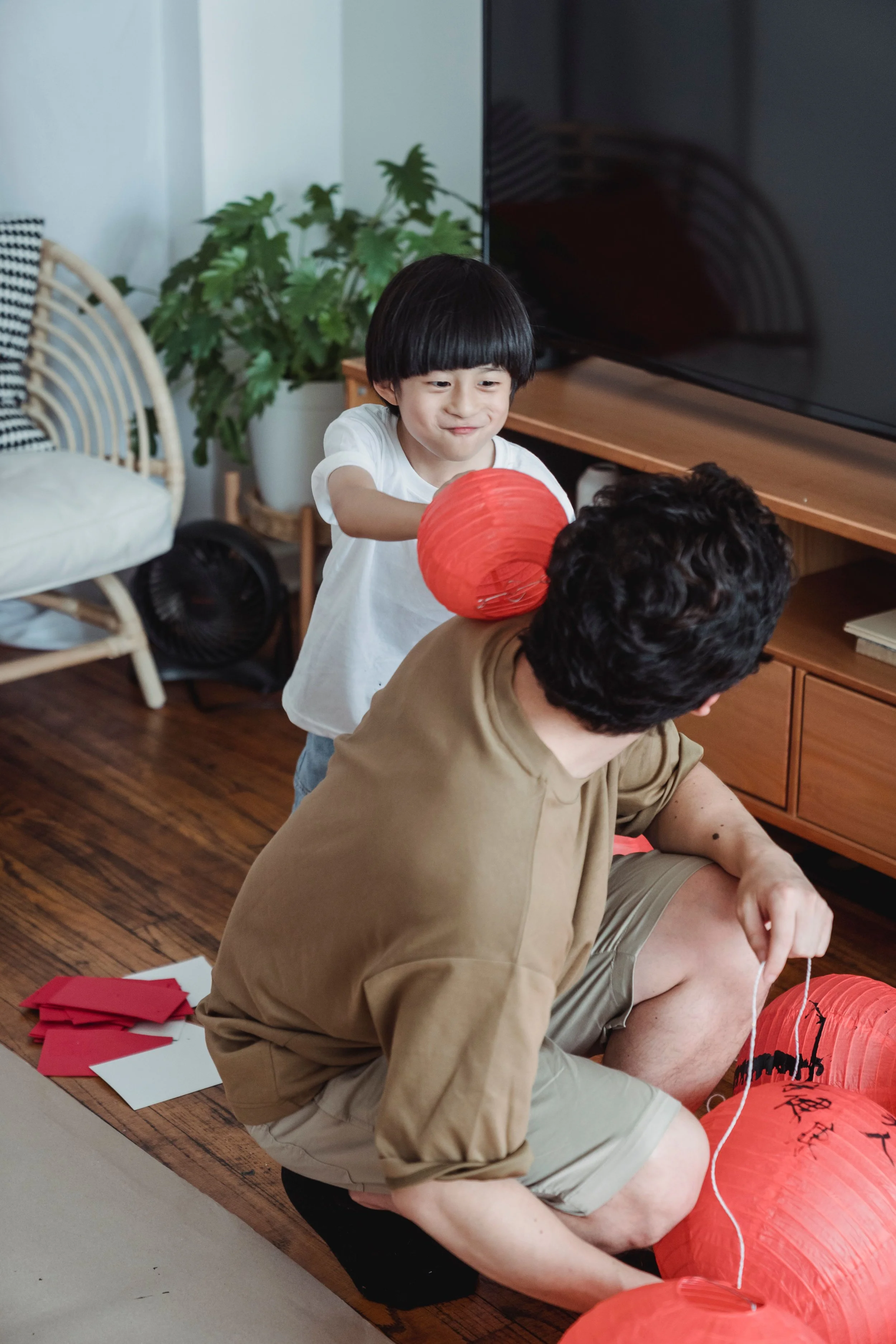
This work is for the little kids who grew up too fast.
As the child of a Chinese immigrant mother, I feel deep resonance working with adult children of immigrant parents. I don’t just feel two adults sitting across one another or sharing virtual space. I feel the responsible adult who started out as the responsible kid.
I see the adult whose inner child didn’t get to play, dream, create, and challenge the status quo. Who learned to be obliging, prioritize loyalty over personal choice, take on family responsibilities, put others first, and suppress the desire to ask questions, be curious, express emotions, and connect.
Those little kids became adults who never stopped moving, performing, and achieving.
As an openly queer & trans mixed race therapist, I offer dynamic, LGBTQ+affirming & culturally responsive care to adult children of immigrants in Oakland and virtually across California.
I invite you to grieve the parts of you that had to fall back in order to become hyper responsible, high achieving, and self-sacrificing. I guide you into (re)connecting with your internal emotional world with kindness, creativity, and love. Through rich, honest insight to anchor you as you go deep, I help you learn to embrace your emerging desires and authentic self—while staying connected to family and culture in ways that genuinely feel healthy, loving, and respectful.
Stuck between worlds, I help you follow your intuition and feel into personal choice.
Growing up in immigrant and mixed immigrant/citizen households, we may have inherited unspoken beliefs, expectations, and narratives about the right way to be. We fear what we could lose if we were to deviate from this path and lean more into personal choice.
As a culturally sensitive therapist, I invite us to talk openly about what it costs you to continue following family expectations and responsibilities, without blaming or shaming cultural norms. We may explore themes of:
You’re a high-achieving, successful professional who feels burnt out and overwhelmed with anxiety from trying to do it all. You worry what your family will think if you take a step back, but you know something needs to change.
You’re a queer adult who is out in some spaces, but feel lonely and even guilty about your family not knowing the full picture of your life. You’re considering disclosing your sexuality while wanting to stay emotionally safe.
You want to set boundaries and share the impact of your family’s actions and expectations on you, but you fear rejection. Mental health isn’t something that is ever talked about in your family, and you’re not sure if they’ll understand.
I know it can be scary to go against the grain in immigrant family systems. What emerges from our exploration together is a deeper sense of who you are in and outside of your family system, and an invitation to turn inward for guidance. I’ll support you in choosing a life that allows you to feel free and connected.
You don’t have to sacrifice your well-being in order to stay connected to your culture.
We can have compassion for our immigrant caregivers doing their best, and genuinely appreciate their sacrifices for us. At the same time, we can make space for the anger, grief, anxiety, and loneliness that comes from denying our true selves and taking on too much responsibility too soon.
Recovery from self-abandonment is possible. It starts in the moment by moment choices of returning to yourself, over and over again.
In my queer-affirming, culturally responsive practice with adult children of immigrants, you don’t have to choose between yourself and your cultural heritage.
We collaborate to cultivate a safe container for you to reconnect with your authentic self, and honor the gifts you receive from your family and culture.
As you become your own anchor again, you get to explore your personal desires and values, choose coping skills that are different from your parents’, and unburden yourself from the responsibilities you no longer want to carry.
“I have had to deeply question what benefit I receive if I pretend that I can do it all on my own.”
Jenny T. Wang
-
As a queer, trans, mixed race therapist who practices cultural humility, I offer a compassionate, inclusive space for you to openly process your upbringing and navigate cultural expectations in your family—without blaming or shaming your family for the ways they have learned to survive.
Mental health institutions have deeply misunderstood and harmed people of color and immigrant families. I’m not here to repeat that.
I believe that immigrant families have unique, culturally resilient (if imperfect) ways of engaging with one another. I also honor that our immigrant parents often didn’t get the emotional nurturing that they needed. I don’t hold it against them that they passed on imperfect ways of connecting and coping. I respect them for trying their best with the resources they had.
In our work together, I listen to your story with an open heart, curious mind, and a deep capacity for complexity. I support you in creating a loving, compassionate understanding in yourself that allows you to embrace cultural gifts while feeling more authentically connected to the possibilities of moving away from what’s expected of you.
-
Yes! With LGBTQ+, trans, nonbinary, genderfluid and questioning adult children of immigrants, we may explore family and cultural expectations of gender, sexuality, and “traditional” relationship structures and trajectories.
Maybe you’re openly queer in most spaces in your life but not with your family.
Maybe your family supports expansive gender identities and practices in theory but wants you to present differently when with extended family members because what will people say?
Maybe your queerness doesn’t cause much tension with caregivers but the fact that you have three partners does.
At my Lake Merritt office in Oakland and online in California, my work with LGBTQ+ adult children of immigrants is often about exploring uncertainty. I provide a relational, inviting, and engaging space to explore where your identities and values may or may not align with those of your family. We work together to navigate the expansive, often uncomfortable journey of negotiating closeness and separation within close family systems.
-
As an integrative therapist in Oakland, I use a combination of IFS therapy, somatic therapy, and at times, EMDR therapy. I practice from a relational psychodynamic approach, allowing us to use the therapy relationship to explore early childhood patterns of relating to one another. This gives me a sense of how you might have achieved safety and security within your early relationships, and offers me insight into how you relate and respond to the people in your life now.
I especially enjoy using IFS therapy when working with adult children of immigrants because IFS therapy holds the belief that we carry both cultural burdens and ancestral gifts.
Cultural burdens are the implicit and explicit messages we internalize about the “correct” way to be. They are the lessons we learned to follow within our family and cultural systems in order to achieve success and acceptance, as well as avoid rejection and disappointment.
Ancestral gifts are the lessons that allow us to stay close to our roots and resiliency in ways that authentically feel good for us.
IFS therapy facilitates a more liberating, purposeful way of relating to our culture, wherein we get to intentionally decide which ancestral gifts to keep and which pressures to release.
-
Some of us instinctively flinch at the thought of our families finding out that we are considering going to therapy. We anticipate that they’ll tell us that it’s a waste of money, or that only “crazy” people go to therapy. We may also have been taught that we don’t talk about family to anyone outside of the family, and worry that going to therapy would be a betrayal of this implicit agreement.
Going to therapy isn’t about betraying, humiliating, or turning your back on your family. It’s about finally having the chance to tell your story without censorship or fear of disappointing others. You’re allowed to talk about the pain, hurt, confusion, anger, and sadness that come from well-intentioned but harmful patterns of coping and behaving in your family system.
As an inclusive, culturally sensitive therapist who specializes in working with adult children of immigrants, I’m not here to advise you to disconnect from your family, unless there are important, non-negotiable reasons why this is the safest option for you.
Therapy is about understanding yourself and your patterns better so that you can meet yourself with greater compassion, make decisions with clarity, and change behaviors that no longer work for you. From a place of thoughtful reflection, self-respect, and love, you get to feel into choice and possibility; to create fulfilling relationships with yourself, your family, and your culture.
-
I understand that boundaries can feel unfamiliar in family systems with immigrant parents and caregivers. I find it can be helpful to consider boundaries as a practice of returning to the authentic connection with yourself.
Boundaries are where we ask: What do I think? What do I feel? What am I comfortable with? What am I willing to do? What do I want to do or not do? What do I like and dislike?
For some adult children of immigrants, these questions can bring about anxiety because we might be used to ignoring how we feel.
Boundaries exist in immigrant and mixed immigrant/citizen households already; they’re just not always verbalized clearly. Boundaries are self-respecting limits that allow us to be honest with ourselves about our inner worlds. They’re not to be used as punishment or control.
Whether we’re meeting at my Lake Merritt office in Oakland or online, I can help you clarify your thoughts, feelings, and wants, engage with the discomfort of setting limits with family, and communicate boundaries respectfully and kindly—all in ways that make sense for you and your family.

CULTURE IS ABOUT STRENGTH & RESILIENCE
My work with adult children of immigrants is not just about releasing cultural burdens; it’s also about inviting cultural gifts and ancestral wisdom.
Start re-imagining a more authentic relationship with yourself, your culture, and your family. Begin with a free, low-stress 20-minute consultation.