
Compassionate Therapy for Attachment & Relationship Stress with LGBTQ+ Adults and Adult Children of Immigrants in Oakland & Online in California
From caretaking to people-pleasing to attempting to control the uncontrollable, I work with LGBTQ+ adults and adult children of immigrants on how to find the balance between independence and interdependence.

When the armor starts to hurt, we’re invited to let go and gently put it down.
For LGBTQ+ adults and adult children of immigrants, patterns of codependency and anxiety can develop from imperfect attempts to secure acceptance and care in environments where emotional nurturing was not given freely.
We over-achieve, chase perfection, and caretake in order to feel needed and good enough. We suppress our wants and needs, seek validation outside of ourselves, and manage people’s emotions, all in hope of feeling secure in our relationships.
At my Lake Merritt office and online in California, I create a safe space where we can get real and be honest about what’s getting in the way of relaxing into the closeness and intimacy you want. I help you shift away from self-abandonment and into behaviors that match with your values so you can stay within your integrity in the relationships you hold near and dear.
What emerges is a more compassionate, fuller picture understanding of how you relate to love, safety, and closeness. From a place of self-compassion, you can make healthy, self-respecting decisions about the relationships you want to cultivate.
There is great wisdom in survival strategies. What we are left to carry, however, is our biggest wound:
Our disconnection from ourselves.

Together we can make sense of patterns that lead you away from yourself and the intimacy you want.
Years of being disconnected from ourselves can keep us stuck in codependent emotional and relational patterns that feel confusing and out of alignment with how we want to show up in our relationships. Therapy can help if:
You value direct communication and working through conflict, but when it comes to saying how you feel, you minimize your feelings and stay silent about what’s bothering you and what you want.
You crave closeness and intimacy, but when you start to feel too vulnerable or exposed, you withdraw, cling, attack, or shut down.
You mostly trust your partner to be honest with you, but you still scan the relationship for threats and signs that something is wrong.
Intellectually, you’re on board with the idea that everyone is responsible for their own emotions, but you keep trying to control how other people think, feel, and act. You become resentful for doing “everything” in the relationship and judge your partner, friends, and family for not doing “enough.”
You’re not alone in worrying about why you seem to be on your less-than-ideal behavior in the relationships that mean the most to you. I can support you with re-aligning your behaviors with your values and creating the mutually loving relationships you want in your life.
“At our core, we are social beings who regulate through connection with others.”
Diane Poole Heller

When we return to ourselves, we can love more freely.
Self-abandonment and codependency leave us aching for meaningful connection that can feel out of reach. It can be scary to be vulnerable, admit our wants and needs, communicate feelings directly, and receive love outside of abuse and neglect.
For LGBTQ+ adults and adult children of immigrants, individual therapy for attachment & relationship stress in Oakland and online throughout California can be a place to gently return to the authentic connection with yourself. I offer a grounded, emotionally present space to help you put your defenses down and connect more meaningfully from the inside out, starting with the relationship with yourself.
With my insight, guidance, and touch of humor, you can heal attachment wounds, set healthy boundaries, release codependent patterns, improve self-esteem, and create mutually loving forms of connection.
-
I am a huge fan of couples therapy, and I do not work with couples and other relationship units in my practice.
I encourage clients to utilize my practice as an additional resource to couples therapy. I value holding individual space for people to process their relationship challenges outside of their partner(s) or friends. There are some things that your partner does not need to know when it comes to your biases, assumptions, and judgments about them or the relationship. I’m not advocating for secrecy—just privacy.
In my practice in Oakland and online across California, I create an engaging and inviting space where you can process your relationship concerns, clarify your feelings, regulate your emotions, work through triggers, and be the present partner you want to be.
My job is to help you identify your role in the emotional and behavioral dynamics with your partner(s), friends, and family members. From there, you can take appropriate responsibility for your part and figure out what changes you might want to make to better support your relationships.
-
Yes! In my work with LGBTQ+ adults and adult children of immigrants, I help people explore how they relate to themselves and others in all kinds of relationship structures and arrangements.
-
You might benefit from therapy for attachment and relationship stress if you:
Question your worthiness and lovability despite receiving reassurance from loved ones
Feel like you’re both too much and not enough
Suffer from anxiety about the relationship
Avoid conflict, including expressing when something bothers you or being honest about your needs
Intellectualize your feelings instead of feeling them
Feel like you do “everything” for your relationship
Go along with what others want because it’s easier than figuring out your own feelings
Try to manage your partner’s behaviors or emotions (if they could just… if only he… why can’t she…)
Judge your partner for not showing up in the way you do or how you want them to
Struggle to take responsibility for your part of a dynamic
Want to attack, pull away, or shut down when you feel too vulnerable
Loop through painful, unchecked stories in your head about what’s happening in the relationship (surely this means they’re leaving… he didn’t do that for me because he doesn’t care about me...)
Scan for perceived threats to your relationship
Offer more of yourself than what feels good in order to maintain a sense of security, usefulness, or worthiness
If any of this sounds like you, then individual therapy in Oakland for attachment and relationship stress could be a good fit for you. In my in-person and online practice with LGBTQ+ adults and adult children of immigrants, I support people with re-patterning their attachment anxiety, feeling more confident about what they want and need, and building relationships based on equality, respect, and mutual care.
-
Yes! The ending of relationships can give us an opportunity to see the bigger picture and gently explore your part of a dynamic.
Do you seek out connection and reassurance when you’re anxious? Do you withdraw or push away when you feel vulnerable? Do you alternate between wanting closeness and creating distance?
Therapy for attachment & relationship stress makes room for the grief that comes with a breakup (even when it’s amicable), and compassion for the earnest, if potentially imperfect, strategies you used to navigate the complexities of building connection with another person (or people).
-
As an integrative therapist, I use a combination of relational psychodynamic therapy, IFS therapy, and somatic therapy into my work with LGBTQ+ adults and adult children of immigrants as they navigate attachment and relationship challenges. You can read more about these individual approaches below.
-
As a relational therapist, I use the therapy relationship to help you build trust in a safe container. How you feel and act in our relationship can give us insight into the ways you relate with people outside of the relationship.
We also explore your early attachment experiences with caregivers to better understand your internal map for seeking safety and security.
Within our relationship, you can learn to:
Receive care without needing to compromise yourself
Practice vulnerability in a safe container
Express your feelings more freely
Lower your defenses
Develop greater capacity for vulnerability
Decrease shame about having needs
-
With Internal Family Systems (IFS) therapy, I help you identify and acknowledge the parts of yourself that get activated in relationships.
Some examples are: parts that want closeness, parts that withdraw when scared, and parts that feel like “too much.”
These parts also hold stories about relationships, including personal and cultural expectations, assumptions, and cautionary tales.
Through working with your parts, you can:
Clarify your desired roles and expectations in relationships
Demystify stories and narratives about “normal” relationships
Build conflict resolution skills and repair relational wounds
Identify your relationship to pleasure (which may or may not include sex), what it means to you, and what it means in your partnership(s)
Lean into areas of strength you bring as a partner and/or friend
Feel more confident navigating natural and unexpected changes in relationships of all kinds
-
By connecting with your body through somatic work, you can learn what safety, connection, trust, panic, fear, and anger feel like inside of you. Tuning into your bodily sensations and what they mean will allow you to:
Notice and manage your emotional triggers as they relate to intimacy, sex, vulnerability, closeness, and responsibility
Communicate boundaries from a place of respect, love, and integrity instead of fear, urgency, and control
Self-soothe and co-regulate
Re-pattern emotionally harmful dynamics in which you might shut down, attack, evade, or flee
-
Yes! Sometimes it’s when we’re outside of romantic and sexual relationships that we can look at our patterns more closely.
In our individual therapy together, I support you with being honest about your triggers in relationships, the coping skills you use to manage those intense feelings, and changes you’d like to make so that you can be the loving, respectful, and present partner you want to be.
I also work with adults who identify as asexual and aromantic. Attachment wounds, codependency, and relationship patterns occur in all kinds of relationships, romantic or otherwise.
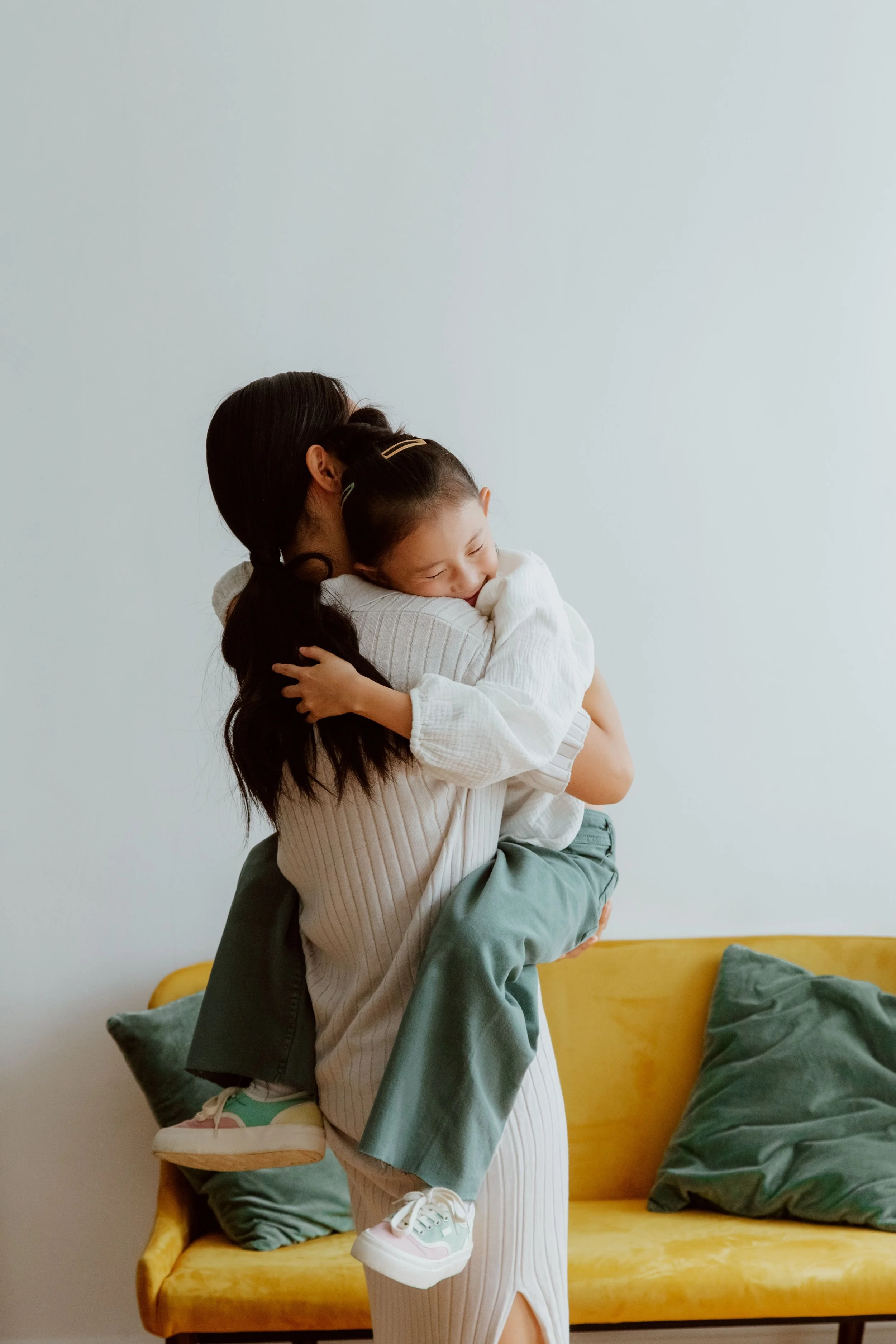
We all deserve healthy and loving relationships—especially with ourselves.
When we surrender to the process of healing our inner child beneath the defenses that once kept us safe, we can connect more authentically with ourselves and the important people in our lives.
We begin to act from love and self-respect instead of fear and control. We turn toward intimacy and connection instead of relying on avoidance and disconnection.
Cultivating the deep, mutually loving & supportive relationships you want starts with a 20-minute consultation. We get to explore what’s happening in your relationships that isn’t working, and decide together on the changes that would help you re-align your patterns with your values.